One of the most common questions travellers ask when planning a Uganda safari is whether…
What Happens If I Do Not See the Gorillas on the Day of Trekking?
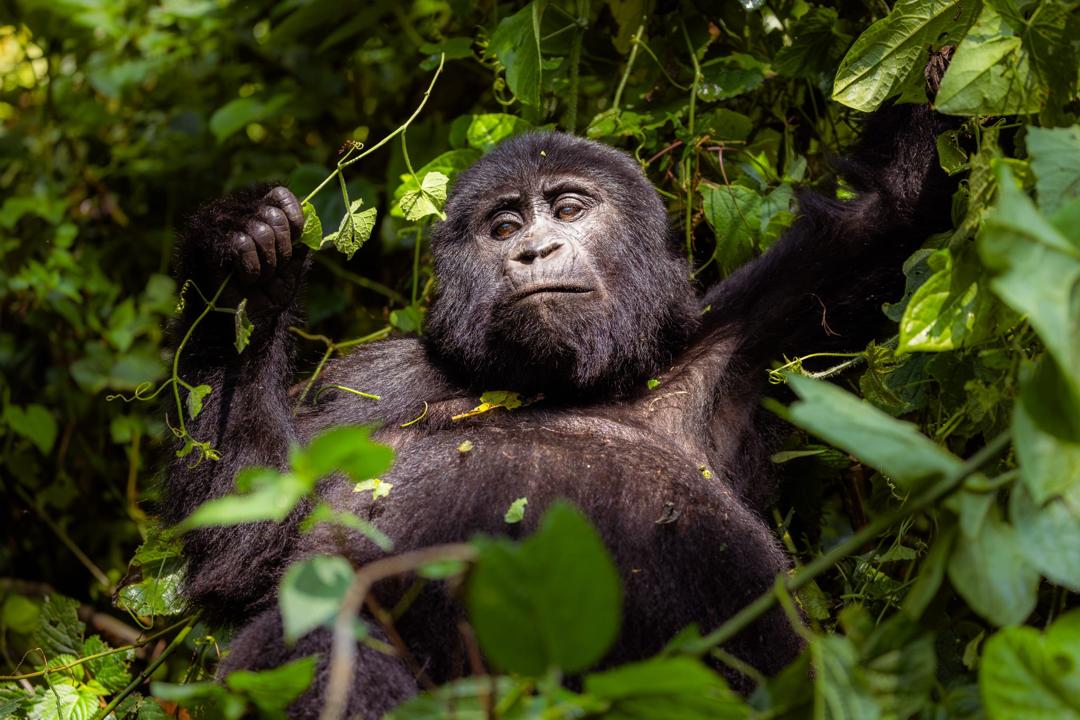
Gorilla trekking is one of Africa’s most powerful wildlife experiences, offering a rare chance to come face to face with mountain gorillas in their natural forest home. For many travellers, it is a once-in-a-lifetime journey filled with excitement, anticipation, and emotion. Naturally, one common concern is what happens if the gorillas are not seen on the trekking day. While gorilla sightings are extremely high, understanding how the experience works helps set realistic expectations and reassures travellers planning this unforgettable adventure.
Mountain gorilla trekking is carefully managed by wildlife authorities in Uganda, Rwanda, and the Democratic Republic of Congo. The trekking process is guided by expert rangers who track gorilla movements daily, making the chances of finding them very high. However, gorillas are wild animals that move freely through dense forests, and nature always has its own rhythm.
Are Gorilla Sightings Guaranteed?
Although no wildlife experience can ever be one hundred per cent guaranteed, gorilla trekking has one of the highest success rates in Africa. In most trekking destinations, the success rate is above ninety five percent. This is because gorilla families are monitored every day by trackers who follow their movements from morning until evening. By the time trekkers enter the forest, rangers already have a strong idea of where the gorillas are located.
In the rare situation where a group is not found, park authorities handle the matter professionally. Depending on the circumstances, trekkers may be offered another opportunity to trek the following day or be reassigned if possible. Policies vary slightly by country and park, but visitor satisfaction and conservation ethics remain a top priority.
Why You May Not See the Gorillas
There are a few reasons why a gorilla trek may take longer than expected or, in very rare cases, not result in a sighting. Gorillas sometimes move deeper into the forest overnight, especially if they are feeding, avoiding other groups, or responding to natural disturbances. Weather conditions such as heavy rain can also slow down tracking efforts, particularly in mountainous terrain.
Physical limitations can also play a role. If a trekker is unable to continue due to health or fitness challenges, the group may turn back before reaching the gorillas. This is why travellers are encouraged to be honest during the pre-trek briefing so that they can be assigned a suitable gorilla family based on trekking difficulty.
What Increases Your Chances of Seeing the Gorillas
Booking your trek with an experienced tour operator greatly improves your overall experience. Professional operators work closely with park authorities to ensure proper planning, correct briefing, and smooth logistics on trekking day. Arriving at the briefing centre early and following the ranger’s instructions is equally important.
Good physical preparation also makes a difference. While you do not need to be an athlete, basic fitness helps you walk longer distances and navigate steep or muddy trails. Hiring a porter is highly recommended, as it reduces fatigue and allows you to focus fully on the experience. Porters also support local communities, making your trek more meaningful.
Best Time to Do a Gorilla Trekking Safari
Gorilla trekking can be done throughout the year, but certain seasons offer more favourable conditions. The dry seasons from June to September and December to February are considered the best times for trekking. During these months, forest trails are less slippery, and weather conditions are more predictable, making hiking easier.
The wet seasons from March to May and October to November also have their advantages. Forests are lush and green, permits are sometimes easier to secure, and there are fewer visitors on the trails. While rain can make trekking more challenging, gorilla movements remain consistent, and sightings are still very high.
How Much Is a Gorilla Trekking Permit in 2026?
A gorilla trekking permit is an official document issued by wildlife authorities that allows visitors to track a habituated gorilla family and spend one hour with them. As of the most recent rates, a gorilla trekking permit in Uganda costs USD 800 for foreign non-residents, USD 700 for foreign residents, and UGX 300,000 for East African citizens. Rwanda’s gorilla permit costs USD 1,500 per person, while permits in Congo are generally lower but subject to security conditions.
Permit prices for 2026 are expected to remain within these ranges, although rates are set by wildlife authorities and may change. It is always advisable to confirm current prices and book permits well in advance through a trusted tour operator to secure availability.
What Happens If the Trek Is Unsuccessful
In the unlikely event that gorillas are not seen, park management assesses the situation on a case-by-case basis. If the failure is due to factors beyond the visitor’s control, such as extreme weather or unexpected gorilla movement, authorities may offer an alternative trek on another day, depending on availability. Refunds are rare, but visitor welfare and experience are taken seriously.
It is important to understand that the permit fee supports conservation, ranger salaries, veterinary care, and community projects. Even if a sighting does not occur, your contribution still plays a vital role in protecting mountain gorillas and their habitat.
Preparing Mentally for a Gorilla Trek
Gorilla trekking is an adventure, not a scripted event. Going in with an open mind and flexible expectations allows you to fully enjoy the forest, wildlife sounds, birdlife, and scenic beauty, even before reaching the gorillas. Many trekkers describe the journey through the forest as just as memorable as the encounter itself.
Listening carefully during the briefing, respecting park rules, and following conservation guidelines all contribute to a safe and successful trek. The moment you finally lock eyes with a mountain gorilla makes every step worthwhile.
Turn Expectations into an Unforgettable Gorilla Experience
Not seeing gorillas on the day of trekking is extremely rare, thanks to skilled trackers, experienced rangers, and well-managed conservation programs. With good preparation, the right season, and professional guidance, your chances of encountering mountain gorillas are remarkably high.
Even before meeting the gorillas, the forest walk, wildlife sounds, and scenic beauty make the journey deeply rewarding. Book your gorilla trekking safari today and step into the heart of Africa for a truly life-changing adventure.

Related Posts