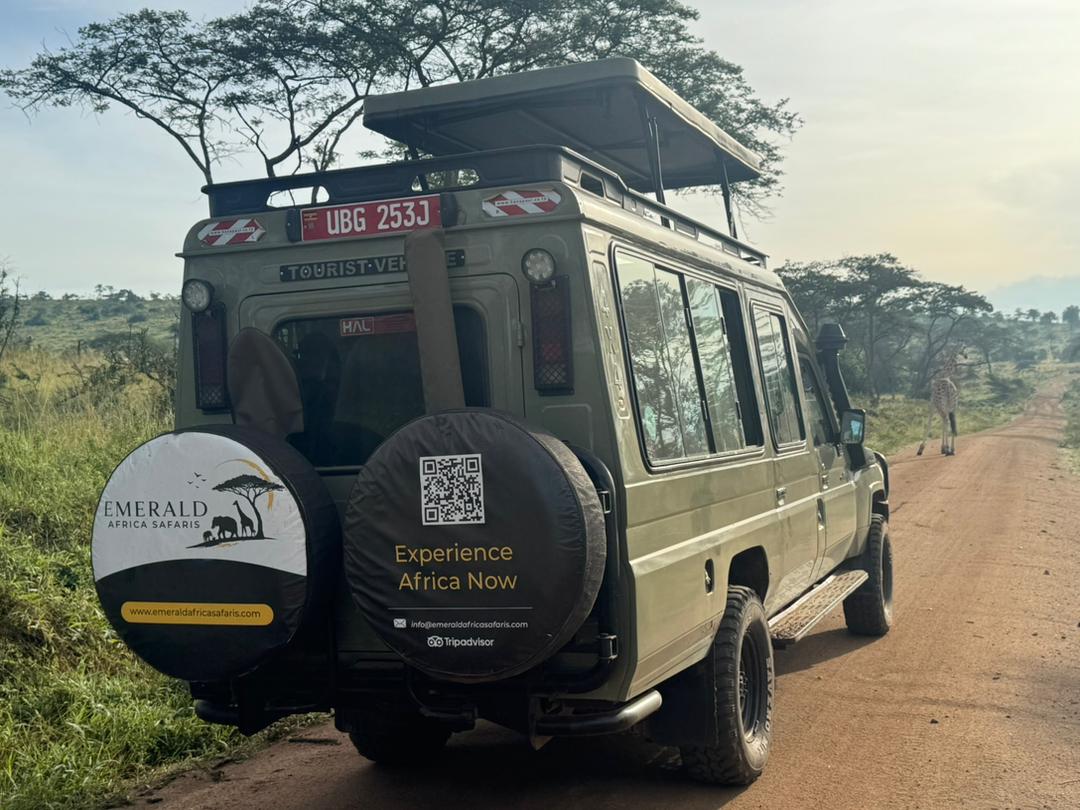
One of the most common questions travellers ask when planning a Uganda safari is whether…

Climbing Mount Kenya
Mount Kenya stands proudly at the heart of Kenya, rising dramatically above the surrounding plains and offering one of Africa’s most rewarding mountain adventures. As Africa’s second-highest peak after Mount Kilimanjaro, Mount Kenya is not just a climbing destination but a place of striking beauty, rich biodiversity, and deep cultural history. Climbing Mount Kenya is a journey through changing landscapes, from dense forests and bamboo zones to alpine moorlands and glaciated peaks, making it a unique experience for trekkers, hikers, and mountaineers alike.
Unlike other famous African mountains, Mount Kenya offers routes suitable for both technical climbers and adventurous hikers, allowing travellers of different skill levels to enjoy its beauty. Whether you aim to reach Point Lenana or attempt the more technical summits of Batian and Nelion, Mount Kenya promises breathtaking scenery, physical challenge, and a strong sense of achievement.
Geography and Location of Mount Kenya
Mount Kenya is located almost directly on the Equator in central Kenya, about 150 kilometres northeast of Nairobi. It forms the centrepiece of Mount Kenya National Park, a protected area recognised as a UNESCO World Heritage Site due to its ecological significance and scenic value. The mountain was formed millions of years ago by volcanic activity, although the volcano itself is long extinct. What remains today is a rugged massif shaped by erosion, glaciers, and time.
The mountain features three main peaks. Batian is the highest at 5,199 meters and requires technical rock-climbing skills. Nelion follows closely at 5,188 meters and is also a technical climb. Point Lenana stands at 4,985 meters and is the most accessible summit, popular with trekkers who want to experience high altitude without technical climbing equipment.
History and Cultural Significance of Mount Kenya
Mount Kenya holds deep cultural and spiritual importance among local communities, particularly the Kikuyu people, who believe the mountain to be the dwelling place of their god, Ngai. Traditionally, homes were built facing the mountain as a sign of respect and reverence. The mountain has long been viewed as a sacred landmark, shaping local customs and beliefs.
European exploration of Mount Kenya began in the late nineteenth century, with the first recorded ascent by Sir Halford Mackinder in 1899. Since then, Mount Kenya has grown into a world-renowned trekking and climbing destination, attracting adventurers, researchers, and nature lovers from across the globe.
Ecosystems of Mount Kenya
One of the most fascinating aspects of climbing Mount Kenya is passing through multiple ecological zones in a single journey. Each zone has its own unique vegetation, climate, and wildlife, creating a constantly changing landscape as you ascend.
The lower slopes are covered by dense montane forests rich in tall trees, ferns, and mosses. This zone receives significant rainfall and serves as an important water catchment area for much of Kenya.
Above the forest lies the bamboo zone, characterised by thick bamboo thickets that provide habitat for wildlife such as elephants and buffaloes. As you climb higher, the bamboo gives way to heath and moorland, where giant lobelias and senecios dominate the scenery.
The alpine zone is characterised by colder temperatures and more open terrain, featuring rocky landscapes, sparse vegetation, and dramatic vistas. Near the summit, glaciers, snowfields, and bare rock create a stark yet beautiful environment that feels far removed from the equatorial plains below.
Wildlife of Mount Kenya
Mount Kenya National Park is home to a wide range of wildlife, especially in the lower and middle elevations. Large mammals such as elephants, buffalo, bushbucks, and giant forest hogs roam the forested slopes. Although rarely seen, predators like leopards and hyenas also inhabit the area.
The mountain is a haven for birdlife, with species including sunbirds, turacos, eagles, and hornbills commonly spotted along the trails. As you climb higher, wildlife becomes less abundant, but the sense of wilderness and isolation increases, adding to the adventure.
Climbing Mount Kenya
Climbing Mount Kenya is both a physical and mental challenge that rewards preparation, patience, and respect for altitude. The climb typically takes between four and seven days, depending on the route chosen and acclimatisation schedule. Unlike Mount Kilimanjaro, Mount Kenya involves more rugged terrain and steeper ascents, especially near the summit areas.
For most trekkers, the goal is to reach Point Lenana, which does not require technical climbing skills but still demands good fitness and acclimatisation. Climbers aiming for Batian or Nelion must have rock climbing experience and proper equipment, as these routes involve exposed ridges and technical sections.
Common Routes and Trails on Mount Kenya
Sirimon Route
The Sirimon Route is one of the most popular and recommended trails for climbing Mount Kenya, especially for first-time climbers. It begins on the northwestern side of the mountain and offers a gentle and steady ascent, which allows for better acclimatization. The route passes through beautiful forest zones, open moorlands, and scenic valleys, with excellent views of the main peaks as you approach higher altitudes. Because of its gradual nature and well-maintained paths, the Sirimon Route is considered one of the safest and most enjoyable ways to reach Point Lenana.
Naro Moru Route
The Naro Moru Route is the fastest and most direct trail to the summit area of Mount Kenya. It is often chosen by climbers who are short on time, but it is also the most physically demanding. The route is known for steep ascents and challenging sections, including muddy trails and the famous vertical bog. Despite being tougher, the Naro Moru Route rewards climbers with dramatic scenery and a strong sense of achievement, making it ideal for experienced hikers who are well prepared for altitude and rough terrain.
Chogoria Route
The Chogoria Route is widely regarded as the most scenic trail on Mount Kenya. Starting from the eastern side of the mountain, this route takes climbers through breathtaking landscapes that include deep gorges, waterfalls, alpine lakes, and wide-open moorlands. The ascent is more gradual, which supports proper acclimatization, and the views near Lake Michaelson and Lake Ellis are among the most impressive on the mountain. The Chogoria Route is perfect for nature lovers and photographers who want to experience Mount Kenya’s beauty at a relaxed pace.
Burguret Route
The Burguret Route is a remote and less traveled trail that offers a true wilderness experience. It begins in dense forest and slowly rises through moorlands before connecting with the Sirimon Route at higher elevations. This trail is rarely used, making it ideal for climbers seeking solitude and adventure away from busy paths. Due to its remoteness and limited facilities, the Burguret Route is best suited for experienced trekkers with good navigation skills and proper logistical support.
Timau Route
The Timau Route approaches Mount Kenya from the northern plains and is one of the least commonly used trails. It passes through expansive grasslands and open terrain, offering unique views of the mountain that differ from the more forested routes. Although it is less steep, the lack of established camps and services makes it suitable mainly for well organized expeditions. The Timau Route is often used as an alternative descent route rather than a primary ascent.
Best Time to Climb Mount Kenya
Mount Kenya can be climbed throughout the year, but weather conditions play a major role in the experience. The best time to climb is during the dry seasons, which occur from January to March and from July to October. During these months, trails are drier, skies are clearer, and summit conditions are more favorable.
The wet seasons, from April to June and November to December, bring heavy rainfall that can make trails slippery and visibility poor. While climbing is still possible, it is more demanding and less predictable. For the best overall experience, the dry seasons are strongly recommended.
Where to Stay and Camp on Mount Kenya
Accommodation options on Mount Kenya range from basic campsites to well maintained mountain huts. Most climbers stay in designated huts such as Sirimon Hut, Old Moses Camp, Shipton’s Camp, and Mackinder’s Camp. These facilities provide basic shelter, shared sleeping areas, and sometimes cooking facilities.
For those seeking a more comfortable experience, organized treks often include tented camps with porters and cooks. Outside the park, there are lodges and hotels near the park gates that offer comfortable stays before and after the climb.
What to Pack for Climbing Mount Kenya
Packing the right gear is essential for a successful and enjoyable climb. Key items include warm layered clothing, waterproof jackets, sturdy hiking boots, thermal wear, gloves, and a warm hat. Temperatures can drop significantly at night, especially at higher altitudes.
Other essentials include a good quality sleeping bag, headlamp, trekking poles, sunscreen, sunglasses, reusable water bottles, snacks, personal medication, and a small backpack for day hikes. For technical climbs, additional climbing gear is required and is usually arranged through professional guides.
Travel Tips for Climbing Mount Kenya
Proper acclimatisation is crucial, so choose an itinerary that allows enough time to adjust to altitude. Staying hydrated and maintaining a steady pace greatly improves your chances of reaching the summit.
Hiring experienced local guides and porters not only enhances safety but also supports local communities. Always follow park regulations, respect wildlife, and practice responsible tourism by minimising waste and environmental impact.
Physical preparation before the climb, including cardio training and hiking practice, will make the experience more enjoyable and less strenuous.
A Summit Worth the Journey
Climbing Mount Kenya is more than just reaching a summit. It is a journey through diverse ecosystems, rich history, and dramatic landscapes that showcase the natural beauty of East Africa.
Mount Kenya offers adventure, serenity, and achievement in equal measure. If you are seeking a mountain climb that combines challenge, beauty, and authenticity, Mount Kenya is an unforgettable destination. Plan your climb carefully, embrace the journey, and let Africa’s second-highest mountain inspire your next great adventure.

Related Posts